

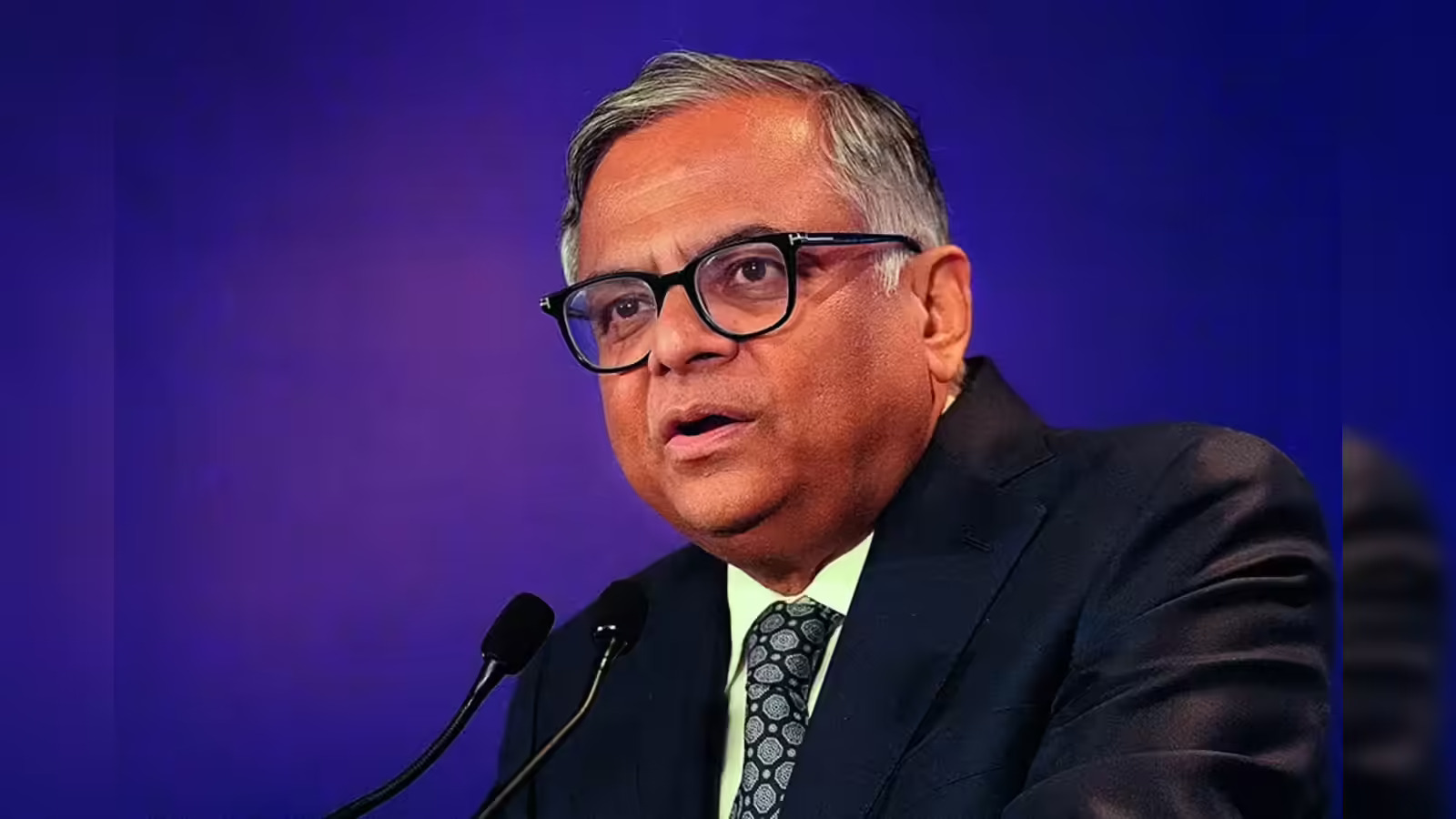
Tata Group has announced a ₹11,000 crore investment in Jharkhand, focusing on green steel manufacturing, tinplate expansion, a new combi mill and hydrogen-powered truck production in Jamshedpur.
When legacy conglomerates make strategic capital allocations, it’s rarely just about expansion — it’s about direction. This time, the direction is clear: Jharkhand.
The Tata Group has committed ₹11,000 crore to the state in what may become one of the most consequential industrial reinvestments in eastern India in recent years. But this isn’t a routine capacity addition. It’s a structural shift toward green manufacturing, advanced processing, and next-generation mobility.
Let’s break down what this means — beyond the headline number.
The Backstory: From Davos to Jamshedpur
The investment announcement follows groundwork laid during the World Economic Forum in Davos, where Jharkhand’s Chief Minister Hemant Soren and Tata leadership formalized strategic collaboration discussions. What we’re seeing now is the operationalization of that intent.
This signals something important: long-cycle capital planning backed by policy alignment.
Where the ₹11,000 Crore Is Going
The investment is segmented across three core industrial upgrades and one mobility pivot.
Green Steel Manufacturing – ₹7,000 Crore
The largest allocation is toward decarbonizing steel production at Tata Steel’s Jamshedpur facility.
Two breakthrough technologies are central to this transition:
- HISARNA technology: Enables direct iron production with lower emissions while using locally available raw materials such as low-grade iron ore and coal.
- EASyMelt process: Reduces dependence on coke by incorporating synthetic gas, cutting emissions significantly.
The proposed green steel unit is expected to produce approximately 1 million tonnes annually and is targeted for completion around 2030.
Why this matters:
- Steel contributes heavily to global industrial emissions.
- Decarbonized steel has growing export and ESG demand.
- Early adoption strengthens global competitiveness.
This isn’t incremental improvement — it’s structural modernization.
Tinplate Capacity Expansion – ₹2,600 Crore
Tata is scaling up its tinplate manufacturing capabilities in Jamshedpur.
Tinplate plays a critical role in:
- Food packaging
- Consumer goods containers
- Industrial packaging solutions
With India’s FMCG and food processing sectors expanding rapidly, domestic tinplate demand is rising. This investment aligns supply capacity with market growth.
It’s a commercially pragmatic move — balancing sustainability initiatives with strong demand economics.
The Combi Mill – ₹1,500 Crore
A new-generation Combi Mill is being developed to enhance flat steel processing capabilities. The facility is currently in ramp-up mode and is expected to be fully operational by 2028–29.
Advanced rolling infrastructure allows:
- Higher value-added steel output
- Improved quality standards
- Stronger downstream integration
For an industrial city like Jamshedpur, this reinforces its manufacturing backbone.
Tata Motors Enters the Picture: Hydrogen Trucks
Beyond steel, Tata Motors is investing in hydrogen-powered truck manufacturing at its Jamshedpur facility.
Heavy-duty logistics remains one of the largest contributors to transport emissions. Hydrogen fuel cell vehicles are widely considered a long-term solution for decarbonizing freight mobility.
By developing hydrogen truck capability early, Tata Motors positions Jharkhand as a potential clean mobility production hub.
This is forward-looking industrial strategy — not reactive manufacturing.
Beyond Factories: A Broader State Vision
The Tata Group has also indicated the formation of an expert panel to evaluate additional investment avenues across Jharkhand.
Key discussion areas include:
- Industrial diversification
- Skill development programs
- Infrastructure strengthening
- Upgrading Industrial Training Institutes (ITIs)
The emphasis suggests ecosystem thinking rather than project-based engagement.
Why This Investment Is Symbolic
Jharkhand marks 25 years as a state this year.
Historically resource-rich but industrially under-leveraged, the state has long supplied raw materials to India’s growth engine. This investment signals a shift from extraction-led identity toward value-added manufacturing and green industry leadership.
Tata Steel’s presence in Jamshedpur predates Jharkhand’s formation. The city’s evolution has been intertwined with the company’s industrial journey. This reinvestment reinforces that relationship — while modernizing it.